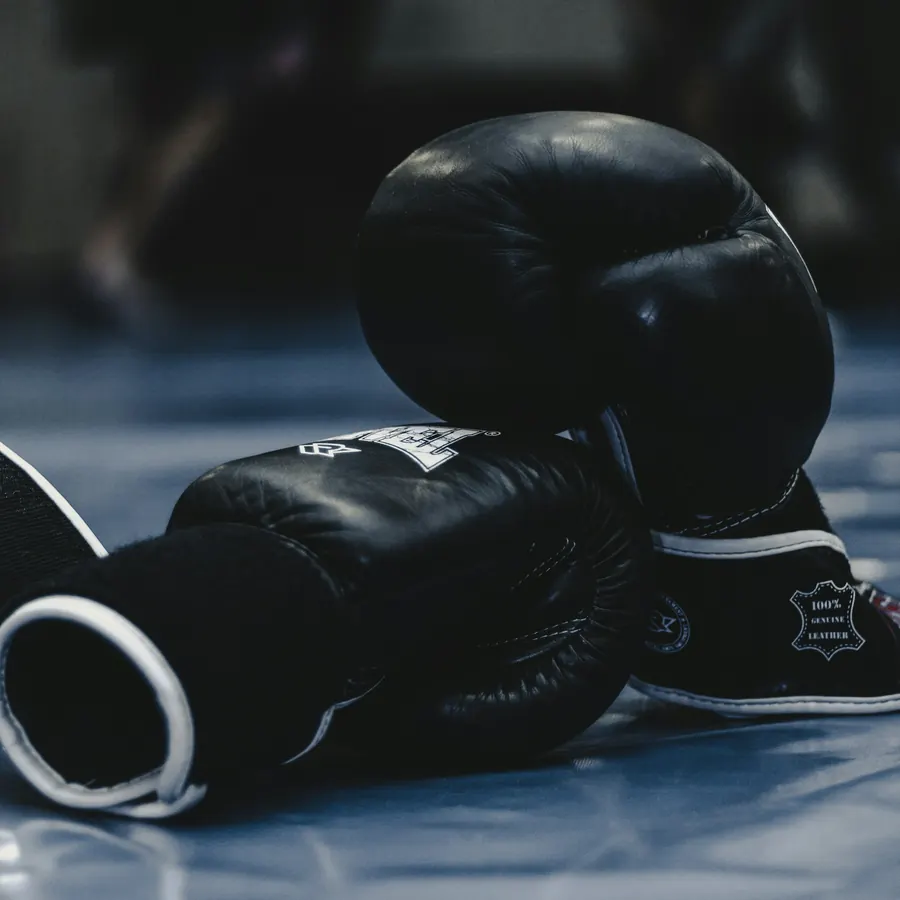
First gloves
Beginner Boxing Classes
A beginner class is the hour where boxing is still new: how you stand, where your hands live, and how a jab leaves without your chin going with it.
Who this is for
Beginner boxing classes in Tampa are for adults who want the sport explained from the floor up. You might be coming from no training at all, from a gym that only did fitness rounds, or from a single awkward lesson years ago. The shared fact is that the stance is not automatic yet.
It is a poor fit if you are looking for sparring on day one, a weight-loss contract, or a fight date. Those are different conversations, and this page does not offer them. If you already move well and want cleaner mechanics, the fundamentals page is the better read. If you want the work in a group of other adults after the introduction, look at adult boxing classes.
What "beginner" should mean
The word gets stretched. Some rooms call every non-fighter a beginner and then run a conditioning circuit. A real beginner boxing lesson spends time on positions you will repeat for years: the stance, the guard, the step, and the first two or three punches. Conditioning shows up because the work is physical. It is not a substitute for the lesson.
What a first session covers
Warmup
Expect joint movement, a little skipping or a march in place if skipping is too much, and shoulder circles that actually reach the range a punch uses. The warmup is there to raise temperature and to show how you move before anyone adds speed. Tell the coach if a knee, a shoulder, or your balance needs a smaller version.
Stance and guard
The stance is a diagonal base, not a square-on argument with the mirror. The lead foot points in, the rear foot carries weight, and the chin stays behind the front shoulder. The guard is both hands home: one cheek, one side of the chin, elbows declining toward the ribs. Beginners often lift the hands for a photo and drop them as soon as they move. A good session keeps returning the hands to that home.
Footwork
Footwork at this stage is short and boring on purpose. Step with the lead foot to go forward, bring the rear foot the same distance, and do not cross your ankles. Backward is the reverse. A pivot is a small turn on the ball of the lead foot so you are not stuck facing one direction. If the feet tangle, the punch will not save you. That is why footwork drills stay in the technical work even after the first week.
Basic punches
Most first lessons stay with the jab, the cross, and maybe a lead hook once the straight shots return to guard. The jab extends from the lead shoulder and snaps back. The cross rotates the rear hip and rear heel. Power is not the assignment. The assignment is a punch that starts and ends in the guard without the head chasing it.
Bag or no bag
Some introductions stay in the air so you can see your own shape. Some add a few slow bag touches once the wrist is lined up. Neither version needs a hard round. If the bag is used, wraps and gloves matter. The heavy bag page covers the mistakes that show up when people skip that protection.
Gear, fitness, and the point of it
Clothes should let you lift a knee and turn a hip. Street jeans fight the stance. Shoes with a stable flat sole are easier than thick running shoes that rock. Hand wraps support the wrist and the knuckles. Gloves spread the impact. Ask what ounce is expected before you buy, and do not share rental gloves that are wet through if a cleaner option exists. Mouthguards belong with partner contact, which is not the beginner default described here.
Fitness level: you should be able to stand, step, and repeat a movement for a short interval. You will likely feel your shoulders and your breathing. That is normal. Pain inside a joint, dizziness, or chest pain is a stop, not a rep to finish. Boxing can build coordination, a work capacity you can feel, and a skill that is interesting enough to repeat. It does not treat disease, and this site does not promise a body composition result.
People also ask about the calmer benefits: a hour that asks for attention, a rhythm of breath, a reason to leave the phone in the bag. Those are fair reasons to start. They still depend on a session that is taught, not on a motivational caption.
Learn the stance before you chase power.
How to ask about a beginner spot
HTX FightCamp does not show a calendar of beginner boxing classes near you, because no public schedule is confirmed on this site. The honest next step is an inquiry: say you are new, mention any limit a clinician has given you, and ask what a first session would include. Read how training inquiries work so the form is not mistaken for a signup. Then request information.
Compare the other formats on the classes hub if you are unsure whether you want a group, a private hour, or a fitness round instead.
Questions about beginner classes
Do I need boxing experience before a beginner class?
No. Beginner boxing is built for people who have not trained the sport. You should still be able to describe any injury or limit that changes how you move, so the work can stay inside what you can do that day.
Will the first class include sparring?
A first beginner session should not. It should cover stance, guard, footwork, and basic punches. Contact with a partner is a separate decision and is not a published HTX FightCamp offering.
How fit do I need to be?
You do not need a fight-camp engine. You do need to finish a warmup and repeat simple movements. Expect to breathe harder than a walk. If a clinician has limited your exercise, follow that advice and say so in the inquiry.
What should I bring?
Comfortable clothes you can sweat in, a bottle of water, and a towel. Ask whether hand wraps and gloves are required or available before you buy a stack of gear.
Ask about beginner classes
Say that you are new to boxing and what you want the first session to cover.